
Bird Nest Side Effects
By The Little Nests Editorial Team·Published 21 September 2026
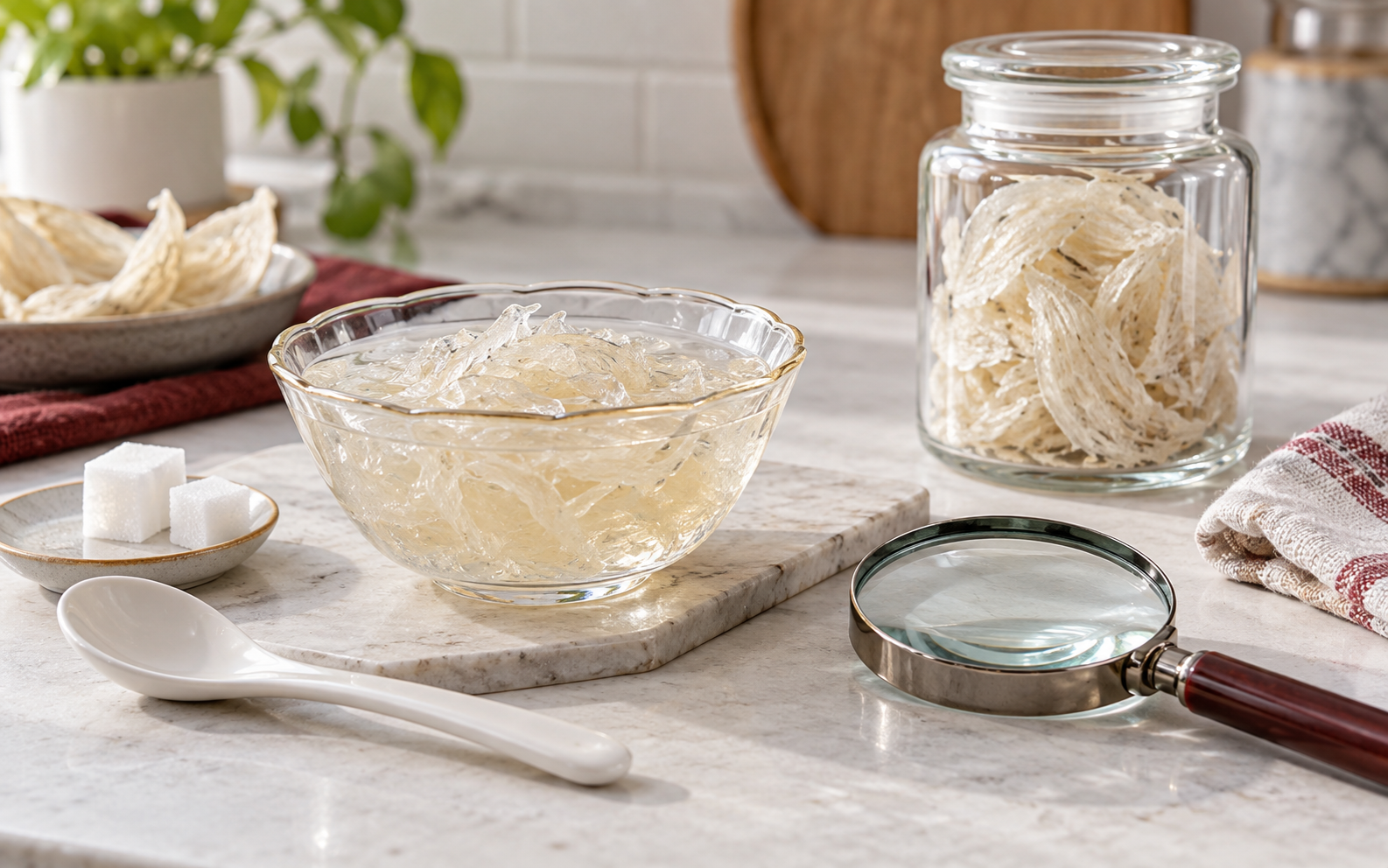
Bird’s nest can cause allergic reactions, including rare anaphylaxis. Check ingredients, processing, sugar and storage before eating it.
Most people think of bird’s nest as a traditional food, but “natural” does not mean risk-free. The most important documented side effect is food allergy. Singapore research has reported IgE-mediated bird’s nest allergy and anaphylaxis, especially in children. Stop eating the product and seek urgent medical help if symptoms such as breathing difficulty, facial or throat swelling, widespread hives, faintness or repeated vomiting occur.
Other considerations depend on the product. Sweetened bird’s nest drinks can add sugar to the diet, so read the ingredient and nutrition information carefully. Poorly processed raw bird’s nest may also present contamination concerns, including nitrite, microbes, mould, heavy metals or adulteration. This is why source, cleaning, hygiene controls, storage and traceability matter.
Anyone with a previous bird’s nest reaction, multiple food allergies or a history of anaphylaxis should speak to an allergy specialist before trying it. Pregnant people, young children, older adults and people receiving medical treatment should choose properly processed products and ask a healthcare professional when unsure.
Recognise an allergic reaction
Mild symptoms may include itching, a rash, lip discomfort or stomach upset, but reactions can progress. Breathing difficulty, throat tightness, facial swelling, faintness or widespread hives require urgent medical attention. Do not test the same product again at home after a suspected reaction. Keep the package and ingredient list so a healthcare professional can review what was eaten, and discuss appropriate allergy assessment before trying bird’s nest in the future.
Check sugar, ingredients and portions
Ready-to-eat products can differ greatly. Compare the amount of bird’s nest, added sugar, flavourings and total serving size rather than assuming every bottle is equivalent. Separate flavour sachets can provide more control, but they still need to be counted if used. People managing diabetes or another prescribed diet should follow advice from their clinician or dietitian. More servings do not automatically mean more benefit.
Reduce avoidable food-safety risk
Buy from a seller that provides traceable product information, intact packaging and clear storage instructions. For dry bird’s nest, follow the supplied soaking and cooking directions and use clean utensils. For ready-to-eat products, check the seal and expiry date and refrigerate when required. Discard a product if the container is swollen, leaking, damaged or has an unexpected smell. These steps cannot remove allergy risk, but they can reduce preventable problems related to handling and contamination.