
Wholesale Birdsnest in Malaysia and Singapore
By The Little Nests Editorial Team·Published 21 September 2026
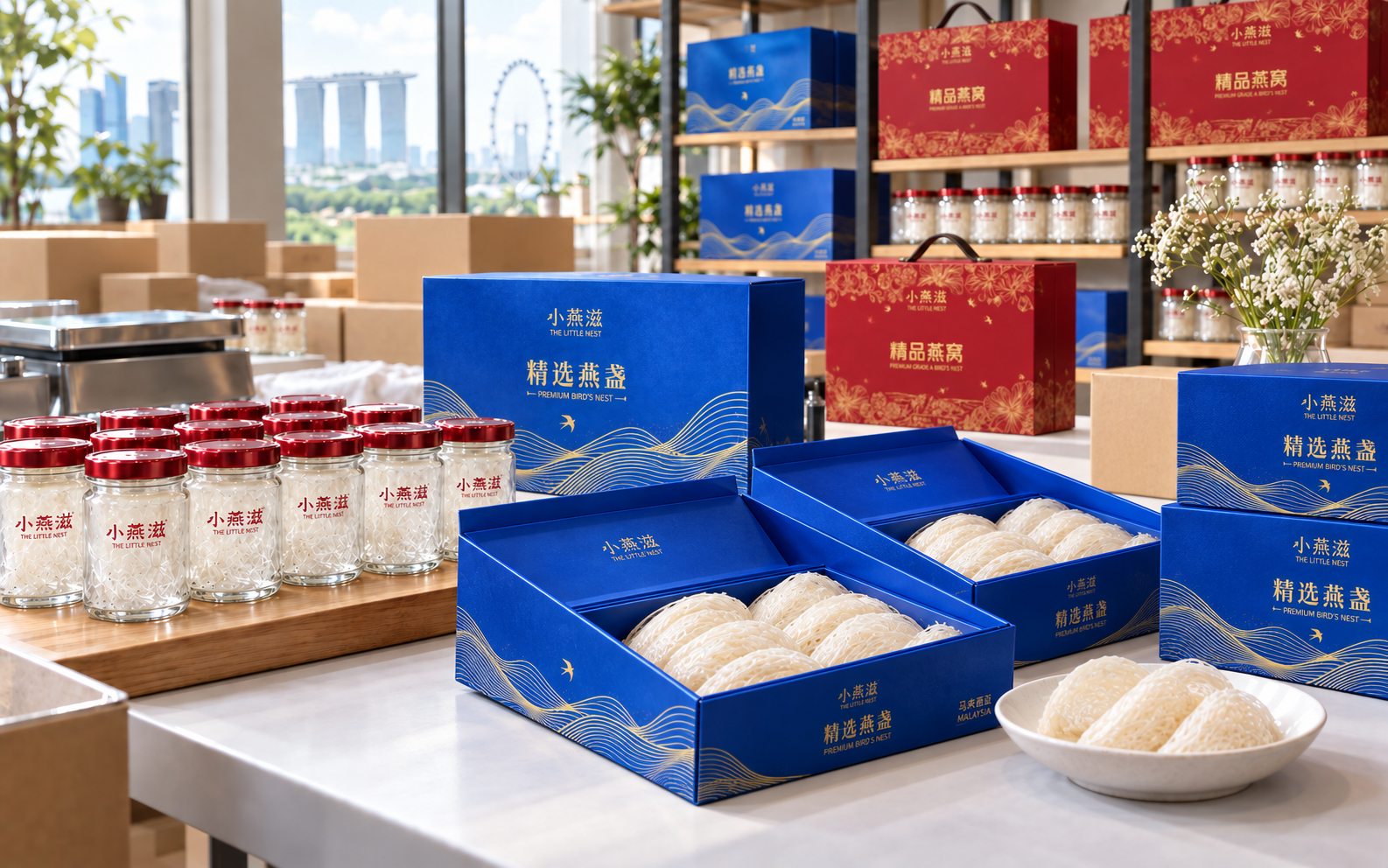
Source wholesale bird’s nest with clear format, quantity, pricing, shelf life, storage, delivery, labelling and customisation requirements.
Buying wholesale birdsnest starts with a clear brief. Tell the supplier whether you need dry bird’s nest, ready-to-eat bottles, corporate gifts, wedding door gifts, resale stock or a recurring bulk plan. Include the required quantity, delivery market, target date, packaging, flavour, custom label and storage needs.
Before confirming an order, request written product specifications, ingredient and serving information, shelf life, carton quantity, minimum order quantity, lead time, delivery terms and current market price. Business buyers should also confirm which certifications and labels apply to the exact product and destination market rather than relying on a generic logo.
The Little Nests supports bulk purchase formats and customised bird’s nest drink gifts. Wedding and event orders can be selected in larger bottle quantities, while the monthly bulk collection is designed for repeat purchasing. Contact the team for a quotation based on quantity and delivery requirements; wholesale prices should not be copied into evergreen content because they can change.
Define the specification before asking for price
A useful quotation needs more than a total unit count. State the product format, bird’s nest amount per serving, bottle or bowl size, flavour, sweetness, packaging, label language and destination market. Explain whether the stock is for resale, staff gifts, a wedding or another event. Include the required delivery date and whether deliveries should be split. A precise brief reduces revisions and makes quotations from different suppliers easier to compare.
Review samples and written terms
For a significant order, request a representative sample or approved specification before full production. Confirm minimum order quantity, deposit, balance payment, lead time, carton packing, shelf life on delivery, storage and responsibility for transit damage. Custom labels require an artwork deadline and final proof approval. Ask which party is responsible for regulatory or labelling requirements in the destination market. Keep agreed changes in writing instead of relying only on chat messages.
Plan receiving and repeat orders
Make sure the receiving location can store the quantity safely and inspect cartons when they arrive. Record batch and expiry information, especially when goods will be distributed over time. For recurring purchases, agree on how forecasts, order cut-offs and price changes will be communicated. Begin with a volume that the organisation can realistically use before expiry. A good wholesale relationship depends on consistent specifications, transparent updates and a clear process for shortages, damage or late delivery, not merely the lowest opening quotation.